Sunday, August 13, 2023

Suryakusuma Values, legacy in making

Di awal tahun 2023 saya membaca buku dengan Judul Atomic Habit dari James Clear, sebuah buku yang sangat dalam membahas betapa pentingnya faktor kebiasaan dalam kesuksesan seseorang. Kondisi keuangan kita saat ini sangat ditentukan dengan kualitas keputusan kita dan juga kebiasaan kita di masa lalu. Ada yang menarik dari buku itu aturan yang disebut dengan "The Four Laws of Behavior Change", yang berisikan aturan sederhana untuk membuat kita memiliki kebiasaan yang lebih baik kita;

  1. Make it obvious, jangan sembunyikan buku yang perlu kita baca atau buah sehat yang perlu kita makan, kita harus mendisplaynya untuk mengingatkan kita untuk membaca dan memakannya.
  2. Make it attractive; untuk menumbuh kembangkan kebiasaan membaca, kita harus cari buku dengan topik yang kita senang membacanya, kalau untuk saya dulu terkait dengan dunia otomotif.
  3. Make it easy; kalau kita ingin lebih banyak makan buah, maka kita pilih buah yang paling mudah dimakan dan didapatkan.
  4. Make it satisfying; pada intinya kalau kita sudah puas maka kita ingin melakukannya lebih lagi dan inilah yang akan menumbukan kebiasaan baru.

Seperti hadis shahîh yang diriwayatkan oleh Muslim (no. 2664);  Ahmad (II/366, 370); Ibnu Mâjah (no. 79, 4168); an-Nasâ-i dalam Amalul Yaum wal Lailah (no. 626, 627); at-Thahawi dalam Syarh Musykilil Aatsâr (no. 259, 260, 262); Ibnu Abi Ashim dalam Kitab as-Sunnah (no. 356

عَنْ أَبِيْ هُرَيْرَةَ رَضِيَ اللهُ عَنْهُ قَالَ: قَالَ رَسُوْلُ اللهِ صَلَّى اللهُ عَلَيْهِ وَسَلَّمَ : اَلْـمُؤْمِنُ الْقَـوِيُّ خَـيْرٌ وَأَحَبُّ إِلَـى اللهِ مِنَ الْـمُؤْمِنِ الضَّعِيْفِ، وَفِـيْ كُـلٍّ خَـيْـرٌ ، اِحْـرِصْ عَـلَـى مَا يَـنْـفَـعُـكَ وَاسْتَعِنْ بِاللهِ وَلَا تَـعْجَـزْ ، وَإِنْ أَصَابَكَ شَـيْءٌ فَـلَا تَقُلْ: لَوْ أَنِـّيْ فَعَلْتُ كَانَ كَذَا وَكَـذَا ، وَلَـكِنْ قُلْ: قَـدَرُ اللهِ وَمَا شَاءَ فَعَلَ، فَإِنَّ لَوْ تَـفْـتَـحُ عَمَلَ الشَّيْطَانِ

Dari Abu Hurairah Radhiyallahu anhu , beliau berkata, Rasûlullâh Shallallahu ‘alaihi wa sallam bersabda,  Mukmin yang kuat lebih baik dan lebih dicintai Allâh Azza wa Jalla daripada Mukmin yang lemah; dan pada keduanya ada kebaikan. Bersungguh-sungguhlah untuk mendapatkan apa yang bermanfaat bagimu dan mintalah pertolongan kepada Allâh (dalam segala urusanmu) serta janganlah sekali-kali engkau merasa lemah. Apabila engkau tertimpa musibah, janganlah engkau berkata, Seandainya aku berbuat demikian, tentu tidak akan begini dan begitu, tetapi katakanlah, Ini telah ditakdirkan Allâh, dan Allâh berbuat apa saja yang Dia kehendaki, karena ucapan seandainya akan membuka (pintu) perbuatan syaitan.

Dari hadits diatas dan beberapa pengalaman saya berikut ini adalah beberapa kebiasaan baik yang pada akhirnya bisa menguatkan kita dari sisi; fisik, mental, emosional, sosial, spiritual dan finansial. 

  1. Fisik/Raga
    1. Stretching setelah bangun pagi
    2. Minum air putih hangat 
    3. Senam jinjit setiap pagi dan sore
    4. Push up dan sit up (min 100 reps)
    5. Angkat beban dan latihan core
    6. Latihan silat + boxing dan pernafasan
    7. Makan makanan sehat
    8. Tidur sebelum jam 10 malam dan minimal 7 jam
    9. 10,000 langkah per hari
    10. Jaga kebersihan tubuh dengan seksama
  2. Mental
    1. Jaga sholat tepat waktu sebagai fondasi dari keimanan kita
    2. Membaca buku yang penuh ilmu yang bermanfaat
    3. Dengarkan musik yang positif dan menghidupkan kreatifitas dan imajinasi kita
    4. Mainkan alat musik dan buat lagu yang bermanfaat
    5. Tonton film2 yang berkualitas dari sisi; cerita, sinematografi dan ilmu
    6. Buat things to do list dan kerjakan setiap hari dengan disiplin
    7. Rapihkan kamar tidur dan tempat kita belajar
    8. Bergaul dengan orang2 hebat yang membahas gagasan2 besar
    9. Cari pengalaman/journey ke luar negeri
    10. Berorganisasi dan biasakan berargumentasi dengan sehat
  3. Emotional
    1. Jaga sholat tepat waktu sebagai fondasi dari keimanan kita
    2. Lakukan kegiatan yang membuat kita bahagia dan membahagiakan orang lain
    3. Kembangkan jiwa pemaaf dan ikhlas menerima apapun takdir Allah
    4. Rayakan kemenangan sekecil apapun itu
    5. Buat jurnal syukur setiap hari
    6. Fokus dengan hal yang bisa kita control dan ikhlas dengan yang tidak bisa kita control
    7. Biasakan untuk bilang tidak untuk hal yang tidak bermanfaat
    8. Luangkan waktu berkualitas dengan keluarga, bahas gagasan besar yang bermanfaat untuk banyak orang
    9. Berdonasi dengan rutin sekecil apapun
    10. Kembangkan terus rasa syukur di hati
  4. Social
    1. Alokasikan waktu yang terbatas untuk menggunakan social media yang  lebih banyak mudharat daripada manfaatnya
    2. Hubungi teman2 lama/masa kecil, tanyakan kondisi mereka dan bantu sebisa kita
    3. Kembangkan network dengan bertemu orang baru yang bisa kita pelajari ilmu dan pengalamannya
    4. Digital detox satu hari dalam seminggu
    5. Hindari energi dan perasaan negatif
    6. Buat waktu ketemuan dengan teman yang hebat gagasannya
    7. Katakan hal2 yang baik saja atau diam ke teman atau saudara kita
    8. Bergabung dengan kegiatan2 social kemasyarakatan
    9. Buat event yang bermanfaat untuk keluarga dan saudara
    10. Berikan nilai dan manfaat yang besar terutama untuk keluarga inti
    11. Buat artikel yang membahas solusi2 masalah social
  5. Spiritual
    1. Tolong saudara dan teman2 kita semampu kita, yang baru mulai usaha, yang sedang berduka yang sedang tidak punya uang
    2. Berdoa dengan sepenuh hati
    3. Menyendiri di alam dan renungkan makna penciptaan
    4. Baca buku2 ulama2 salaf yang berkualitas
    5. Berzikir perbanyaklah
    6. Berteman dengan orang2 seperti Ustadz Nurokhim yang karyanya luar biasa
    7. Baca buku2 yang menginspirasi kebaikan
    8. Naik gunung untuk membuat kita merasa kecil di hadapan Allah yang Maha Pencipta
    9. Ikut ta’lim
    10. Sholat berjamaah
  6. Finansial
    1. Investasikan uang secara strategis dan rutin dengan komposisi yang terbaik
    2. Mulai berusaha untuk mendapatkan pendapatan rutin dari; aplikasi, pembuatan start up, dll
    3. Baca buku2 yang menjelaskan how money works yang 
    4. Buat produk kreatif yang bisa dijual secara online dan otomatis
    5. Kembangkan network dengan networth yang jauh lebih tinggi
    6. Tajamkan skill dan kompetensi terkait dengan peluang bisnis masa depan
    7. Luaskan imajinasi explore AI semaksimal mungkin


Thursday, July 06, 2023

IDPRO National Conference June 28th 2023 an amazing day indeed


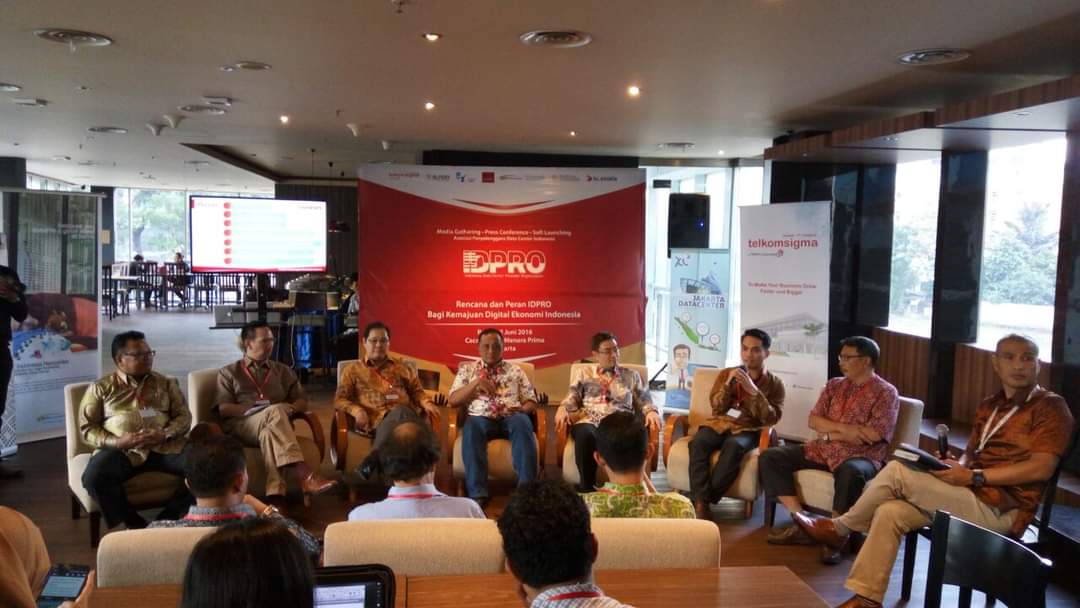
On Wednesday June 28th 2023, Indonesia Data Center Providers Organization (IDPRO) held it’s third National Conference (Musyawarah National). The agenda is to elect the new Chairman and the Head of Advisor for the organization. IDPRO established in June 2016, from its humble beginning with only six members, now IDPRO has 14 members which consists of the movers and shakers of data center industry in Indonesia.


IDPRO's role is to accumulate all resources within the data center industry, namely data center providers, institutions, academics, practitioners, solution providers and electrical and mechanical experts.


We aim to create an ecosystem where stakeholders who share the same vision fight for the vision of supporting the growth and development of the digital economy by maintaining the quality of data center infrastructure. There is also the potential to develop synergies with related parties to be able to develop a pool of talent engineers in the data center industry on a competency basis according to industry needs. We would like to congratulate Mr Hendra Suryakusuma which was elected as the new chairman of IDPRO, and Mr Teddy Sukardy and Mr Stephanus Tumbelaka as the Advisory Boards.


Dear Pak JC GaniDenny Setia Utama, Pak Michael Abimanyu, Pak Teddy Sukardi, Pak Stephanus Tumbelaka, Bu Yoke Tangkar, Pak Toto Sugiri, Pak TJ Dharmawan, Marco Cioffi, Glenn PutuhenaStephanus OscarDondy Bappedyanto, Pak Andreuw ThAF, Pak Erick Hadi, Pak Wisnoe P PribadiAvnish Patankar , Pak Hendrikus Hendra Gozali, Pak Suyanta Satria, Pak Agus Hartono and the rest of Asosiasi Penyelenggara Data Center Indonesia - IDPRO members.


I am writing this note with immense gratitude and appreciation for electing me as the new Chairman of the Indonesia Data Center Providers Organization (IDPRO). I am truly honored to have been chosen to lead this esteemed organization, and I want to express my heartfelt thanks to each and every one of you for your trust and confidence in me.


I am humbled by the opportunity to serve as the Chairman and to work alongside such dedicated and accomplished professionals in the data center industry. IDPRO has been instrumental in fostering collaboration and driving the growth of the digital economy while maintaining the highest standards in data center infrastructure. I am excited to continue this important work and build upon the strong foundation laid by our predecessors.


I believe that together we can achieve great things. I am committed to promoting the vision of supporting the growth and development of the digital economy in Indonesia, and I look forward to working closely with all of you to make a positive impact on our industry. Your expertise, insights, and dedication are invaluable, and I am eager to collaborate with each of you to drive IDPRO's mission forward.


Once again, thank you for your trust and support. I am honored to have been given this opportunity, and I am excited about the journey ahead. Let us continue to work together, innovate, and shape the future of the data center industry in Indonesia.


Warmest regards,

Hendra Suryakusuma

Chairman, Indonesia Data Center Providers Organization (IDPRO)


Wednesday, June 21, 2023

Towards IDPRO National Conference June 28 2023

Back in 2016 together with; Pak Toto Sugiri, Pak Richard Kartawidjaja, Pak Teddy Sukardi, Pak Michael Abimanyu, Pak Alvin Siagian, Prof Kalamullah Ramli we established IDPRO which stands for Indonesia Data Center Providers Organizations. In the earlier days we only have six members and running only 32 MW of power capacity, in 2023 our member grow to 15 and we are running almost 230 MW. Based on several research documents from Cushman Wakefield, Frost and Sullivan and many others and reflecting on digital transformation that happened, t is predicted that Indonesia will need around 2 GW of power capacity in the next 9 years. Staggering number indeed.

Data center is energy intensive infrastructure and as data center infrastructure continues to expand in Indonesia, there are several main challenges in achieving energy efficiency in this sector:


  • High Energy Consumption: Data centers consume significant amounts of electricity to power and cool their IT equipment. The increasing demand for computing power and data storage leads to higher energy consumption, which can strain the power grid and contribute to greenhouse gas emissions.
  • Inefficient Cooling Systems: Cooling is a critical aspect of data center operations to maintain optimal temperatures for equipment. Inefficient cooling systems can result in excessive energy consumption. Inadequate airflow management, improper cooling infrastructure design, or outdated cooling technologies can all contribute to inefficiencies.
  • Lack of Standards and Regulations: The absence of specific energy efficiency standards and regulations for data centers in Indonesia can hinder the adoption of best practices. Clear guidelines and benchmarks related to power usage effectiveness (PUE) or energy efficiency ratios could incentivize data center operators to invest in energy-efficient technologies and practices. Together with Ministry of Communication and Informatics and Badan Standarisasi Nasional, we already launched SNI Pusata Data 8799.
  • Aging Infrastructure: Some existing data centers in Indonesia may have older infrastructure that was not designed with energy efficiency in mind. Upgrading or retrofitting these facilities to improve efficiency can be costly and challenging.
  • Limited Renewable Energy Integration: The availability and integration of renewable energy sources, such as solar or wind power, into data center operations are often limited. Relying on fossil fuel-based electricity sources contributes to environmental impact and can be more expensive in the long run.
  1. The current energy efficiency practices and standards in Indonesian data centers are still evolving and may vary among different facilities. While there is no specific national regulation or standard exclusively for data centers, several broader initiatives and guidelines exist that indirectly promote energy efficiency:
    1. Green Building Certification: The Green Building Council Indonesia (GBCI) offers certification programs like the Green Building Council Indonesia Certification (GBCI-ID) and the Greenmark Indonesia certification. These programs encourage sustainable building practices, including energy-efficient designs for data center facilities.
    2. Energy Management Systems: Some data center operators implement energy management systems to monitor and optimize energy consumption. These systems can provide real-time data on power usage and enable operators to identify areas for improvement.
    3. Efficient Cooling Technologies: Data centers in Indonesia are adopting more efficient cooling technologies, such as hot/cold aisle containment, variable speed drives, and optimized airflow management. These practices help reduce energy waste by directing cooling precisely where it is needed.
    4. Virtualization and Consolidation: Virtualization technologies allow data centers to run multiple virtual machines on a single physical server, reducing the overall hardware and energy requirements. Consolidating servers and improving utilization rates can improve energy efficiency.
    5. Power Usage Effectiveness (PUE) Monitoring: While not mandated, some data center operators in Indonesia monitor their PUE. PUE is a widely used metric to measure the energy efficiency of data centers, indicating how much energy is consumed by IT equipment versus the entire facility. Monitoring PUE can help identify energy-saving opportunities and benchmark performance.

It is important to note that energy efficiency practices and standards in Indonesian data centers may vary across facilities, with some operators implementing more advanced measures than others.


2. Potential environmental impacts of energy-inefficient data centers include:


  1. Greenhouse Gas Emissions: Data centers that consume excessive amounts of energy contribute to increased greenhouse gas emissions, mainly from fossil fuel-based electricity generation. These emissions contribute to climate change and air pollution.
  2. Water Consumption: Cooling systems in data centers often require large amounts of water for cooling purposes. In regions where water scarcity is a concern, this can strain local water resources and have environmental implications.
  3. Electronic Waste: As data centers upgrade their equipment or decommission outdated infrastructure, electronic waste (e-waste) can accumulate. Improper disposal or recycling of e-waste can lead to environmental contamination from hazardous materials found in electronic components.
  4. Mitigating these impacts can be achieved through various steps, including:
  5. Implementing Energy-Efficient Designs: Data centers can adopt energy-efficient designs that optimize cooling systems, utilize efficient server architectures, and incorporate advanced power management technologies.
  6. Renewable Energy Integration: Transitioning to renewable energy sources, such as solar or wind power, can significantly reduce the carbon footprint of data centers. Investing in on-site renewable energy generation or procuring renewable energy from off-site sources can help mitigate environmental impacts.
  7. Efficient Cooling Infrastructure: Upgrading cooling infrastructure with technologies like economizers, efficient airflow management, and liquid cooling solutions can improve energy efficiency and reduce water consumption.
  8. Virtualization and Consolidation: Employing virtualization technologies to consolidate servers and improve resource utilization can reduce energy consumption and minimize e-waste.
  9. Recycling and Responsible Disposal: Proper e-waste management, including recycling and responsible disposal practices, ensures that electronic components are recycled or disposed of in an environmentally friendly manner.
  10. Currently, there are no specific policies or regulations in Indonesia exclusively targeting energy efficiency in data centers. However, broader initiatives and regulations exist that indirectly promote energy efficiency and environmental sustainability, such as:
  11. National Energy Policy: The Indonesian government has set a target to achieve a 23% renewable energy mix by 2025. This policy indirectly encourages the adoption of renewable energy sources in various sectors, including data centers.
  12. Green Building Certification: As mentioned earlier, certifications like GBCI-ID and Greenmark Indonesia promote sustainable building practices, which include energy efficiency considerations for data centers.
  13. To improve the implementation and enforcement of energy efficiency measures in data centers, the following steps can be taken:
  14. Develop Specific Regulations: Introducing specific policies and regulations that address energy efficiency in data centers would provide clearer guidelines and requirements for operators to follow. These regulations can include energy efficiency standards, reporting requirements, and incentives for adopting efficient practices.
  15. Incentivize Energy Efficiency: Offering financial incentives, tax breaks, or grants to data center operators who invest in energy-efficient technologies can encourage adoption. These incentives can help offset the initial costs associated with implementing energy-efficient measures.
  16. Collaboration and Awareness: Encouraging collaboration between government agencies, industry associations, and data center operators can facilitate the sharing of best practices and knowledge. Promoting awareness through workshops, training programs, and industry events can also increase understanding and adoption of energy-efficient practices.
  17. Several innovative technologies and solutions are available today to significantly improve energy efficiency in data centers:
  18. Artificial Intelligence (AI) for Energy Optimization: AI can analyze vast amounts of data to optimize server workloads, cooling systems, and energy usage in real-time. AI-powered analytics and predictive algorithms can identify energy-saving opportunities and dynamically adjust system parameters for optimal efficiency.
  19. Liquid Cooling: Liquid cooling solutions, such as direct-to-chip or immersion cooling, offer more efficient heat dissipation compared to traditional air cooling methods. Liquid cooling can reduce energy consumption and enable higher-density computing.
  20. Edge Computing: Edge data centers located closer to end-users reduce data transmission distances, minimizing energy losses and latency. Edge computing helps optimize resource utilization


3. Collaboration between the data center industry and the government is crucial to promote energy-efficient practices. Here are some ways they can work together:


  1. Policy Development: The government can work with industry stakeholders to develop specific policies, regulations, and standards that encourage and enforce energy-efficient practices in data centers. Input from industry experts can help ensure practical and effective guidelines.
  2. Incentives and Funding: The government can provide financial incentives, grants, or tax benefits to data center operators who adopt energy-efficient technologies and practices. This can help offset initial investment costs and encourage widespread adoption.
  3. Public-Private Partnerships: Collaborative initiatives between the government and the data center industry can support research and development efforts, promote knowledge sharing, and facilitate technology transfer. Public-private partnerships can drive innovation, pilot projects, and the implementation of energy-efficient solutions.
  4. Awareness and Education: The government and industry can collaborate to raise awareness about the benefits of energy efficiency in data centers through workshops, training programs, and industry events. They can also work together to develop educational materials and guidelines for data center operators.
  5. Investing in energy-efficient data centers brings several benefits and cost savings for businesses:
  6. a. Reduced Energy Costs: Energy-efficient data centers consume less electricity, leading to significant cost savings on energy bills. Optimized cooling systems, efficient server utilization, and advanced power management technologies can lower operational expenses.
  7. b. Improved Reliability and Performance: Energy-efficient practices often go hand in hand with optimized infrastructure design, which can enhance reliability, performance, and uptime. Well-designed cooling systems can prevent overheating and equipment failures, reducing downtime and associated costs.
  8. c. Scalability and Flexibility: Energy-efficient data centers are typically designed with scalability and flexibility in mind. This allows businesses to easily expand their IT infrastructure and adapt to changing needs without significant energy overhead or disruptions.
  9. d. Enhanced Reputation and Corporate Social Responsibility: Operating energy-efficient data centers aligns with sustainable business practices, improving a company's reputation and demonstrating a commitment to environmental responsibility. This can be attractive to environmentally conscious customers and stakeholders.
  10. e. Regulatory Compliance: As environmental regulations evolve, investing in energy efficiency helps businesses comply with emerging standards and avoid potential penalties or restrictions.
  11. While specific case studies or success stories from Indonesian data centers achieving significant energy efficiency improvements may be limited, there are international examples that can serve as inspiration for the industry:
  12. a. Google's Data Center in Singapore: Google's data center in Singapore is known for its energy-efficient design. It utilizes a combination of technologies, including advanced cooling systems, optimized airflow management, and efficient server utilization. The facility achieved a power usage effectiveness (PUE) of 1.11, well below the industry average.
  13. b. Indosat Ooredoo Data Center: Indosat Ooredoo, a telecommunications company in Indonesia, implemented various energy-saving measures in their data center operations. These included deploying energy-efficient servers, virtualization technologies, and efficient cooling systems. The company reported significant energy savings and reduced carbon emissions.
  14. While specific data centers in Indonesia may not have publicized their energy efficiency achievements extensively, it's important to note that data center operators in the country are increasingly recognizing the importance of energy efficiency and implementing measures to improve their environmental performance.


  1. Data center operators can take several steps to raise awareness among their clients and end-users about the importance of energy efficiency and encourage them to adopt sustainable practices:
    1. Education and Training: Organize workshops, webinars, or training sessions to educate clients and end-users about the benefits of energy efficiency in data centers. Provide practical guidance on implementing energy-efficient practices, optimizing workloads, and reducing energy consumption.
    2. Transparent Reporting: Share data and reports on the energy efficiency metrics of their data centers, such as PUE or carbon footprint. Transparent reporting can help clients and end-users understand the environmental impact of their data usage and make informed decisions.
    3. Communication and Marketing: Include information on energy efficiency and sustainability practices in marketing materials, websites, and communication channels. Highlight the energy-saving features and environmental initiatives of the data center to showcase its commitment to sustainability.
    4. Collaboration and Sharing Best Practices: Encourage clients and end-users to collaborate and share their experiences and best practices in energy efficiency. Facilitate networking opportunities and forums where knowledge exchange can take place.
    5. Incentives and Recognition: Offer incentives or rewards to clients and end-users who adopt energy-efficient practices or achieve specific sustainability targets. Recognize and showcase their efforts as case studies or success stories to inspire others
    6. Research and development (R&D) play a vital role in advancing energy-efficient technologies and practices in data centers. The collaboration between academia and industry can drive innovation in this area:
    7. Technology Development: Academia can contribute by conducting research on energy-efficient cooling systems, server architectures, power management techniques, and renewable energy integration in data centers. Industry partners can provide insights into practical challenges and implementation requirements. This collaboration can lead to the development of new technologies and solutions.
    8. Piloting and Testing: Academic institutions and industry partners can collaborate to pilot and test energy-efficient technologies and practices in real-world data center environments. This allows for the evaluation of their effectiveness, performance, and scalability.
    9. Knowledge Exchange: Academic researchers can publish their findings and share them with the industry through conferences, journals, and seminars. Industry practitioners can provide feedback and insights based on their practical experiences, fostering a two-way knowledge exchange.
    10. Funding and Grants: Governments and industry associations can provide funding and grants to support collaborative research projects between academia and industry. This financial support can accelerate R&D efforts and facilitate the development and implementation of energy-efficient technologies in data centers.
    11. Training and Education: Academia can offer specialized courses or certifications in data center energy efficiency to train future professionals in this field. Industry practitioners can contribute by sharing their expertise and participating as guest lecturers or mentors.


By fostering collaboration between academia and industry, research and development can contribute to continuous advancements in energy-efficient technologies and practices, ultimately driving the sustainability and environmental performance of data centers.


Monday, June 19, 2023

The Convergence of AI, LLM, and Blockchain: Shaping the Future of the Data Center Industry

I’ve shared my views in several Data Center seminars both locally and globally on how digital transformation is changing Indonesia Data Center landscapes. I’m fortunate enough to witness it first hand and blessed to be in this industry. Last time was in French Data Day and Legrand Data Center Summit on June 6 and 7 2023. 

As the world continues to generate vast amounts of data, the demand for efficient and secure data storage solutions has never been greater. The data center industry is rapidly evolving to meet these challenges, I personally see that there are three transformative technologies - Artificial Intelligence (AI), Large Language Models (LLMs), and Blockchain - are poised to revolutionize the way data centers operate. I had the opportunity to discuss with Pak Toto Sugiri, founder of DCI on their strategy in implementing Internet of Things and AI in their facilities to create more efficiency and increase security. Here are more details about each of the technology component.


1. AI in Data Centers:

Artificial Intelligence is set to become a driving force in the data center industry. AI can optimize data center operations by automating tasks, enhancing energy efficiency, and improving predictive maintenance. By utilizing machine learning algorithms, AI can analyze data center performance metrics in real-time, enabling proactive decision-making to optimize resource allocation, cooling systems, and overall energy consumption. AI-powered systems can also detect anomalies and predict potential failures, minimizing downtime and improving the reliability of data center operations. I know for sure that several DC providers in Indonesia already implemented this technology in their infrastructures. I really would like to know on the case studies from the industry players.


2. Large Language Models (LLMs) for Data Management:

Large Language Models, such as GPT-3.5, are advanced AI models capable of understanding and generating human-like text. LLMs have the potential to revolutionize data center operations by facilitating natural language processing and data management. They can assist in data categorization, metadata generation, and even automating routine administrative tasks. LLMs can also improve data center security by analyzing and identifying potential vulnerabilities, ensuring robust data protection. What I can predict is because it takes more computing powers GPU servers, power density per rack will be increasing to around 10 kW per rack at least. When I first enter this industry back in 2011 I recall that most of my clients around 95% of them using not more than 2.2 kW (10 Ampere, 220V) per rack. Need to anticipate this growth by providing more efficient cooling system and spacing strategy.


3. Blockchain for Data Security and Transparency:

Blockchain technology is well-known for its application in cryptocurrencies, but its potential in the data center industry goes beyond that. Blockchain provides decentralized and transparent data storage, offering enhanced security and privacy. These attributes are what make me want to dive in into this industry and explore all the opportunities that we can for benefits of society. By distributing data across a network of nodes, blockchain eliminates the risk of a single point of failure and reduces the vulnerability to cyberattacks. Additionally, smart contracts powered by blockchain can automate data center transactions, including lease agreements, resource allocation, and billing, streamlining processes and reducing administrative overhead.


4. Convergence of AI, LLM, and Blockchain:

The convergence of AI, LLM, and blockchain holds immense promise for the data center industry. By combining the power of AI-driven analytics with LLMs' ability to understand and process vast amounts of data, data center operators can gain actionable insights to improve efficiency, optimize resource allocation, and enhance customer experiences. Furthermore, blockchain technology can add an extra layer of security and transparency to data center operations, ensuring trust and reducing the potential for data breaches.


Challenges and Considerations:

While the future of AI, LLM, and blockchain in data centers is promising, several challenges and considerations need to be addressed. These include the need for robust data governance frameworks to ensure privacy and compliance, the requirement for highly skilled professionals to manage and optimize these technologies, and the potential energy consumption associated with AI-powered systems.


Conclusion:

The data center industry is on the cusp of a technological revolution, driven by the convergence of AI, LLM, and blockchain. These transformative technologies have the potential to improve data center efficiency, enhance security, and streamline operations. By harnessing the power of AI analytics, LLMs' data processing capabilities, and the security and transparency of blockchain, data center operators can create a future where data is not only stored but managed and protected with unprecedented accuracy and efficiency. As the world becomes increasingly data-driven, embracing these technologies will be crucial for data center operators to stay ahead in an ever-evolving landscape.